

Hnycareershub
SpeichernÜberblick
-
Berufsfeld Finanzen & Rechnungswesen
-
Veröffentlichte Jobs 0
Firmen Beschreibung
NHS: Belonging in White Corridors
In the sterile corridors of Birmingham Women’s and Children’s NHS Foundation Trust, a young man named James Stokes navigates his daily responsibilities with subtle confidence. His polished footwear whisper against the floor as he greets colleagues—some by name, others with the comfortable currency of a „how are you.“

James carries his identification not merely as a security requirement but as a symbol of acceptance. It rests against a pressed shirt that betrays nothing of the challenging road that brought him here.
What separates James from many of his colleagues is not obvious to the casual observer. His bearing reveals nothing of the fact that he was among the first participants of the NHS Universal Family Programme—an effort designed specifically for young people who have been through the care system.
„The Programme embraced me when I needed it most,“ James explains, his voice measured but carrying undertones of feeling. His remark captures the essence of a programme that strives to revolutionize how the massive healthcare system perceives care leavers—those often overlooked young people aged 16-25 who have graduated out of the care system.
The figures reveal a challenging reality. Care leavers commonly experience greater psychological challenges, money troubles, shelter insecurities, and reduced scholarly attainment compared to their contemporaries. Beneath these cold statistics are individual journeys of young people who have traversed a system that, despite good efforts, often falls short in offering the stable base that molds most young lives.
The NHS Universal Family Programme, established in January 2023 following NHS England’s commitment to the Care Leaver Covenant, signifies a profound shift in institutional thinking. At its heart, it recognizes that the entire state and civil society should function as a „universal family“ for those who haven’t known the stability of a traditional family setting.
Ten pathfinder integrated care boards across England have blazed the trail, developing structures that rethink how the NHS—one of Europe’s largest employers—can extend opportunities to care leavers.
The Programme is meticulous in its methodology, initiating with comprehensive audits of existing procedures, establishing governance structures, and obtaining executive backing. It understands that meaningful participation requires more than noble aims—it demands tangible actions.
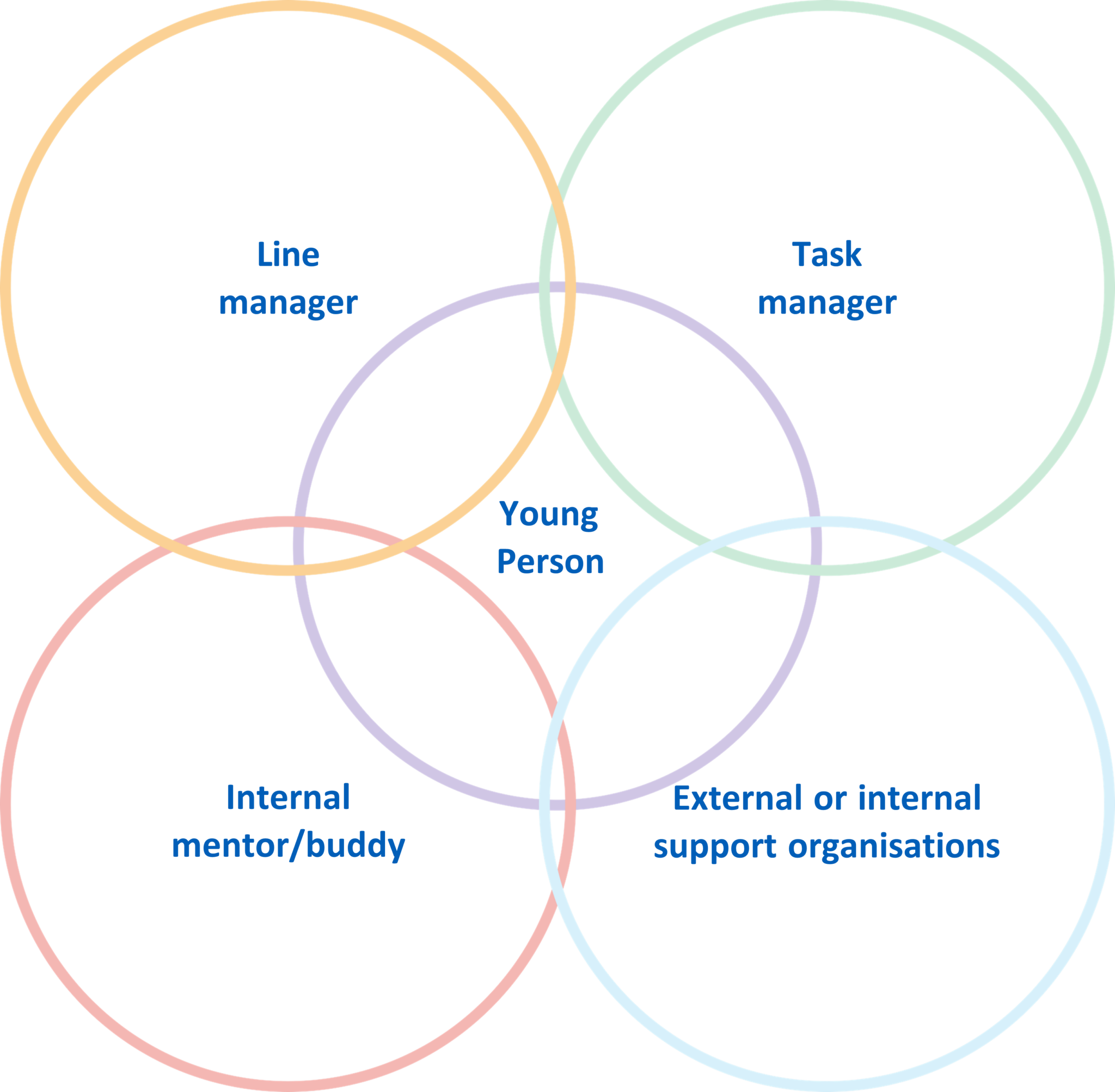
In NHS Birmingham and Solihull ICB, where James found his footing, they’ve established a consistent support system with representatives who can offer assistance and counsel on wellbeing, HR matters, recruitment, and EDI initiatives.
The traditional NHS recruitment process—rigid and potentially intimidating—has been carefully modified. Job advertisements now highlight personal qualities rather than extensive qualifications. Application procedures have been redesigned to address the specific obstacles care leavers might encounter—from lacking professional references to struggling with internet access.
Possibly most crucially, the Programme recognizes that beginning employment can pose particular problems for care leavers who may be navigating autonomy without the backup of family resources. Matters like commuting fees, personal documentation, and bank accounts—assumed basic by many—can become significant barriers.
The beauty of the Programme lies in its meticulous consideration—from explaining payslip deductions to providing transportation assistance until that critical first payday. Even ostensibly trivial elements like coffee breaks and professional behavior are deliberately addressed.
For James, whose career trajectory has „revolutionized“ his life, the Programme provided more than employment. It offered him a sense of belonging—that elusive quality that emerges when someone feels valued not despite their past but because their particular journey improves the workplace.
„Working for the NHS isn’t just about doctors and nurses,“ James comments, his expression revealing the subtle satisfaction of someone who has found his place. „It’s about a collective of different jobs and roles, a team of people who really connect.“
The NHS Universal Family Programme embodies more than an employment initiative. It exists as a strong assertion that institutions can adapt to welcome those who have experienced life differently. In doing so, they not only change personal trajectories but enhance their operations through the unique perspectives that care leavers provide.
As James walks the corridors, his participation subtly proves that with the right support, care leavers can thrive in environments once deemed unattainable. The embrace that the NHS has offered through this Programme represents not charity but recognition of hidden abilities and the profound truth that everyone deserves a support system that believes in them.