

England Nhs
SpeichernÜberblick
-
Berufsfeld Versicherung
-
Veröffentlichte Jobs 0
Firmen Beschreibung
NHS: The Family They Never Had
Among the organized chaos of medical professionals in Birmingham, a young man named James Stokes moves with quiet purpose. His polished footwear move with deliberate precision as he greets colleagues—some by name, others with the universal currency of a „hello there.“

James wears his NHS lanyard not merely as an employee badge but as a symbol of inclusion. It rests against a neatly presented outfit that betrays nothing of the difficult path that brought him here.
What sets apart James from many of his colleagues is not visible on the surface. His demeanor gives away nothing of the fact that he was among the first participants of the NHS Universal Family Programme—an effort designed specifically for young people who have experienced life in local authority care.
„It felt like the NHS was putting its arm around me,“ James explains, his voice controlled but carrying undertones of feeling. His observation summarizes the heart of a programme that aims to transform how the enormous healthcare system views care leavers—those often overlooked young people aged 16-25 who have transitioned from the care system.
The statistics paint a stark picture. Care leavers often face greater psychological challenges, financial instability, shelter insecurities, and diminished educational achievements compared to their age-mates. Underlying these clinical numbers are individual journeys of young people who have maneuvered through a system that, despite genuine attempts, regularly misses the mark in offering the supportive foundation that molds most young lives.
The NHS Universal Family Programme, initiated in January 2023 following NHS England’s promise to the Care Leaver Covenant, embodies a substantial transformation in systemic approach. At its core, it acknowledges that the whole state and civil society should function as a „universal family“ for those who haven’t experienced the security of a typical domestic environment.
Ten pathfinder integrated care boards across England have charted the course, developing systems that reconceptualize how the NHS—one of Europe’s largest employers—can open its doors to care leavers.
The Programme is thorough in its methodology, beginning with detailed evaluations of existing policies, establishing governance structures, and obtaining executive backing. It understands that meaningful participation requires more than lofty goals—it demands tangible actions.
In NHS Birmingham and Solihull ICB, where James found his footing, they’ve created a consistent support system with representatives who can deliver support, advice, and guidance on wellbeing, HR matters, recruitment, and EDI initiatives.
The conventional NHS recruitment process—rigid and potentially intimidating—has been thoughtfully adapted. Job advertisements now focus on personal qualities rather than long lists of credentials. Application procedures have been reconsidered to consider the specific obstacles care leavers might encounter—from not having work-related contacts to facing barriers to internet access.
Perhaps most significantly, the Programme recognizes that beginning employment can create specific difficulties for care leavers who may be handling self-sufficiency without the support of family resources. Issues like travel expenses, personal documentation, and bank accounts—assumed basic by many—can become major obstacles.
The brilliance of the Programme lies in its meticulous consideration—from explaining payslip deductions to helping with commuting costs until that critical first salary payment. Even apparently small matters like rest periods and professional behavior are carefully explained.
For James, whose professional path has „changed“ his life, the Programme delivered more than a job. It offered him a perception of inclusion—that elusive quality that grows when someone senses worth not despite their past but because their unique life experiences enhances the organization.
„Working for the NHS isn’t just about doctors and nurses,“ James observes, his eyes reflecting the quiet pride of someone who has found his place. „It’s about a family of different jobs and roles, a group of people who genuinely care.“
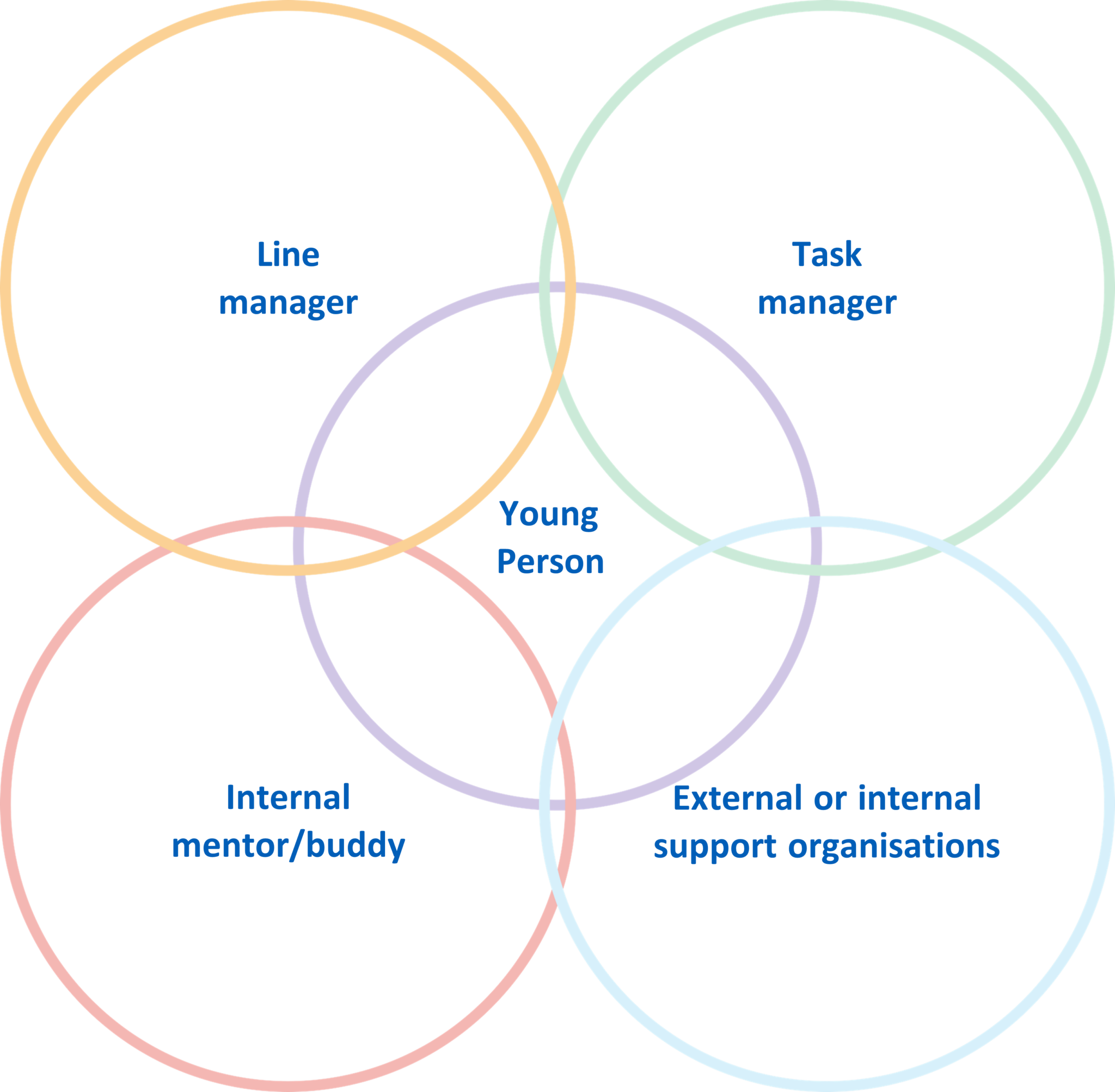
The NHS Universal Family Programme embodies more than an work program. It functions as a bold declaration that organizations can adapt to embrace those who have experienced life differently. In doing so, they not only change personal trajectories but enhance their operations through the unique perspectives that care leavers provide.
As James walks the corridors, his participation silently testifies that with the right assistance, care leavers can thrive in environments once thought inaccessible. The support that the NHS has offered through this Programme symbolizes not charity but recognition of hidden abilities and the profound truth that everyone deserves a family that supports their growth.