
England Nhs
SpeichernÜberblick
-
Berufsfeld Ingenieurwesen
-
Veröffentlichte Jobs 0
Firmen Beschreibung
NHS: The Family They Never Had
Within the bustling halls of an NHS hospital in Birmingham, a young man named James Stokes navigates his daily responsibilities with subtle confidence. His smart shoes barely make a sound as he greets colleagues—some by name, others with the universal currency of a „good morning.“

James carries his identification not merely as an employee badge but as a declaration of acceptance. It sits against a pressed shirt that gives no indication of the challenging road that led him to this place.
What separates James from many of his colleagues is not visible on the surface. His bearing reveals nothing of the fact that he was among the first recruits of the NHS Universal Family Programme—an initiative designed specifically for young people who have experienced life in local authority care.
„It felt like the NHS was putting its arm around me,“ James says, his voice steady but carrying undertones of feeling. His observation captures the essence of a programme that aims to revolutionize how the vast healthcare system approaches care leavers—those often overlooked young people aged 16-25 who have graduated out of the care system.
The statistics paint a stark picture. Care leavers frequently encounter poorer mental health outcomes, financial instability, accommodation difficulties, and diminished educational achievements compared to their peers. Behind these clinical numbers are human stories of young people who have maneuvered through a system that, despite best intentions, frequently fails in offering the nurturing environment that forms most young lives.
The NHS Universal Family Programme, established in January 2023 following NHS England’s commitment to the Care Leaver Covenant, represents a profound shift in institutional thinking. Fundamentally, it accepts that the whole state and civil society should function as a „collective parent“ for those who haven’t known the constancy of a traditional family setting.
A select group of healthcare regions across England have led the way, establishing systems that rethink how the NHS—one of Europe’s largest employers—can open its doors to care leavers.
The Programme is meticulous in its strategy, beginning with comprehensive audits of existing practices, forming oversight mechanisms, and obtaining leadership support. It acknowledges that successful integration requires more than good intentions—it demands concrete steps.
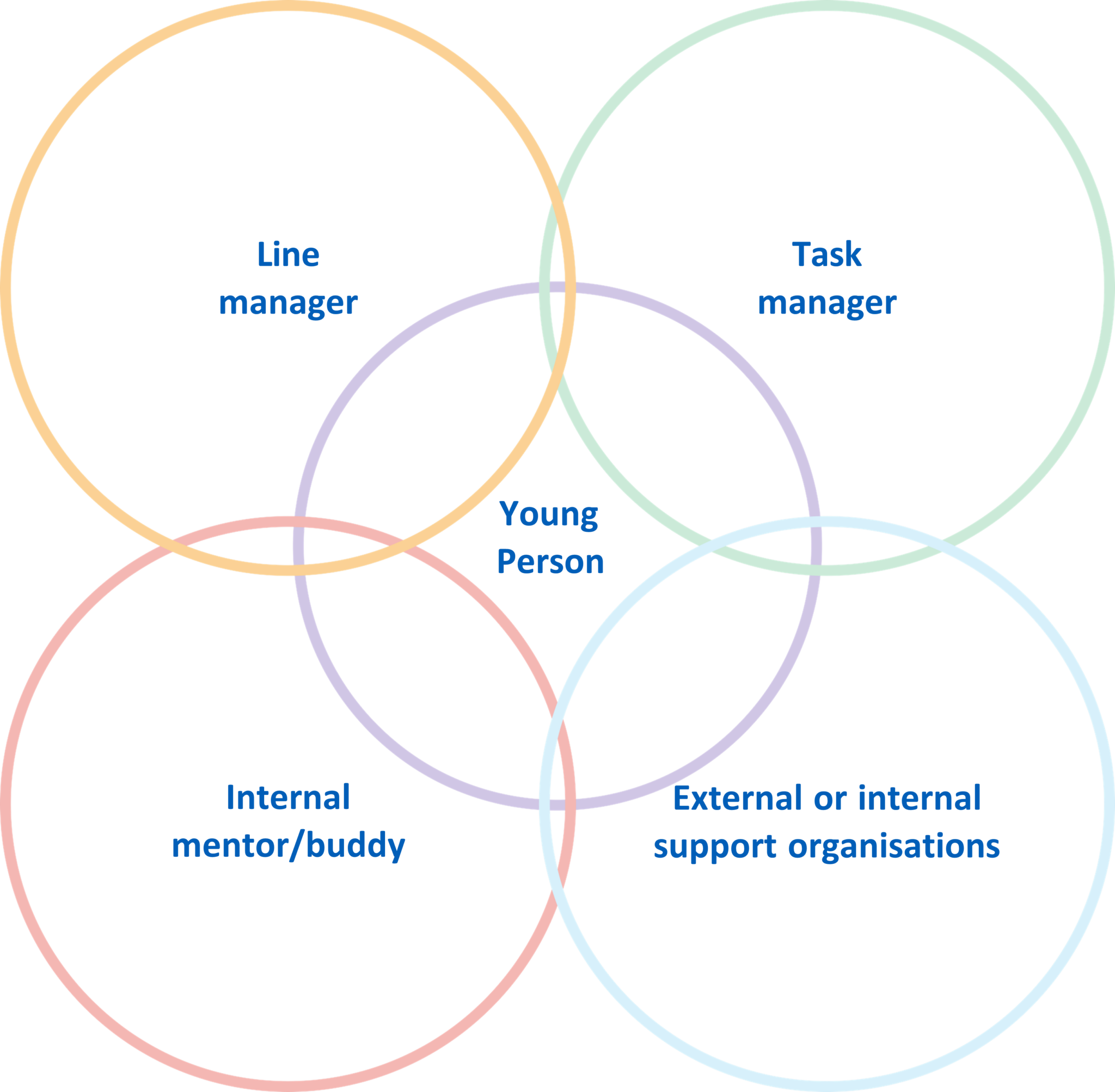
In NHS Birmingham and Solihull ICB, where James found his footing, they’ve created a consistent support system with representatives who can offer support, advice, and guidance on mental health, HR matters, recruitment, and EDI initiatives.
The traditional NHS recruitment process—rigid and potentially intimidating—has been thoughtfully adapted. Job advertisements now emphasize attitudinal traits rather than numerous requirements. Application procedures have been reconsidered to address the specific obstacles care leavers might experience—from lacking professional references to having limited internet access.
Maybe most importantly, the Programme understands that starting a job can present unique challenges for care leavers who may be navigating autonomy without the safety net of parental assistance. Issues like transportation costs, personal documentation, and financial services—assumed basic by many—can become major obstacles.
The brilliance of the Programme lies in its attention to detail—from clarifying salary details to providing transportation assistance until that crucial first salary payment. Even seemingly minor aspects like coffee breaks and office etiquette are deliberately addressed.
For James, whose professional path has „changed“ his life, the Programme delivered more than employment. It provided him a feeling of connection—that intangible quality that develops when someone senses worth not despite their history but because their distinct perspective enhances the organization.
„Working for the NHS isn’t just about doctors and nurses,“ James observes, his gaze showing the modest fulfillment of someone who has secured his position. „It’s about a community of different jobs and roles, a family of people who really connect.“
The NHS Universal Family Programme exemplifies more than an work program. It stands as a bold declaration that organizations can change to welcome those who have known different challenges. In doing so, they not only transform individual lives but enhance their operations through the distinct viewpoints that care leavers provide.
As James moves through the hospital, his presence subtly proves that with the right assistance, care leavers can succeed in environments once considered beyond reach. The embrace that the NHS has extended through this Programme signifies not charity but recognition of overlooked talent and the fundamental reality that each individual warrants a family that believes in them.